Growing Green: Coffee’s journey from crop to climate champion
Oct 9, 2026 •
Coffee: From crop to climate champion
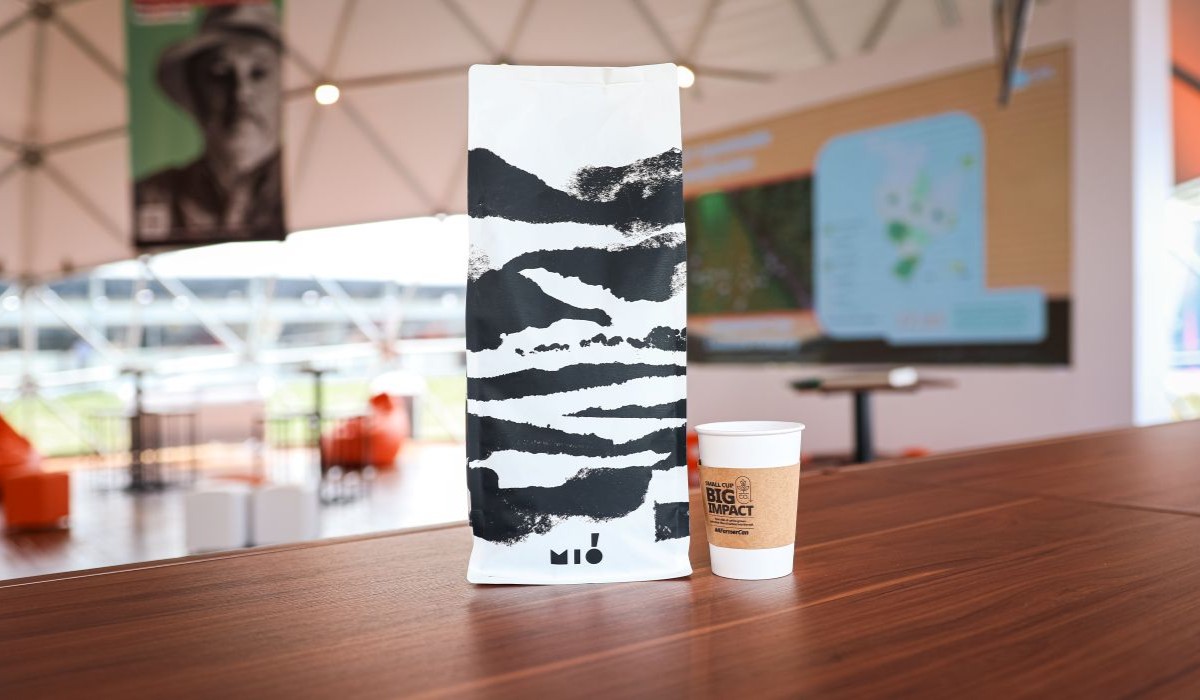
In Brazil’s coffee heartland, you’ll find our good friend Carlos Pellicer on Mió Farm. For generations, his family has built up cherished knowledge and traditions around coffee farming. As Carlos passes this legacy on to his daughter, his priority is protecting the planet and building a food-secure future for the next generation.
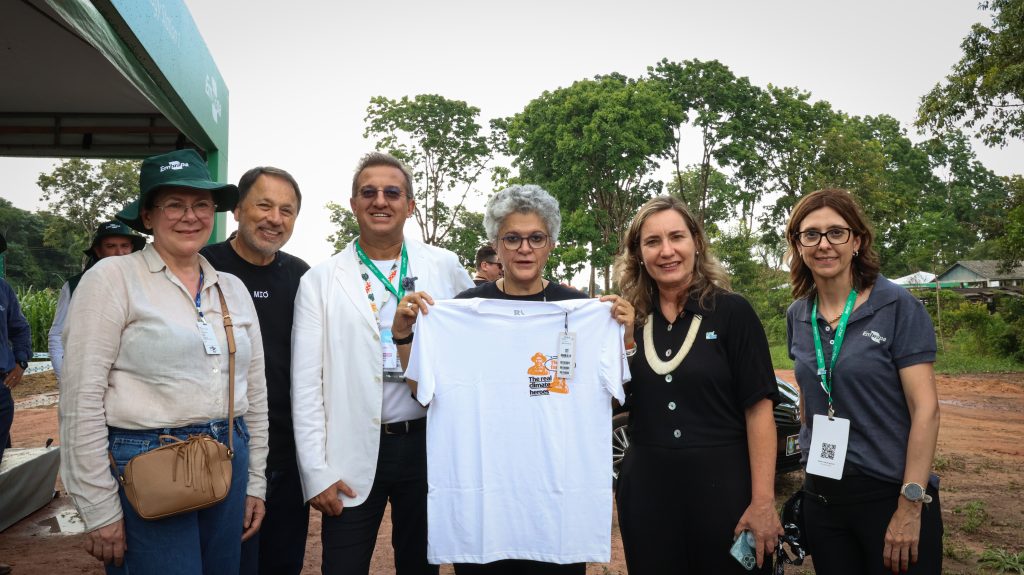
Carlos and Mió Farm offer a great example of exactly the kind of stories we hoped to capture when we launched our #AFarmerCan campaign last year at COP30 in Brazil, and again at the World Economic Forum’s Annual Meeting 2026 in Davos.
By honouring tradition and blending it with innovation, Mio’s work leads by example to introduce more sustainable farming practices and turn coffee cultivation into a climate-smart process – a hero fighting climate change from the front lines.
While it only takes 2 minutes to grab an Espresso on your way to work, coffee farming is a long-term investment. For four years, farmers invest time and resources into crops until they reach harvest stage. And that could be wiped out in an instant of extreme weather, leaving them to restart from scratch.
Do we need more climate conversations? No. What we really need right now is climate action.
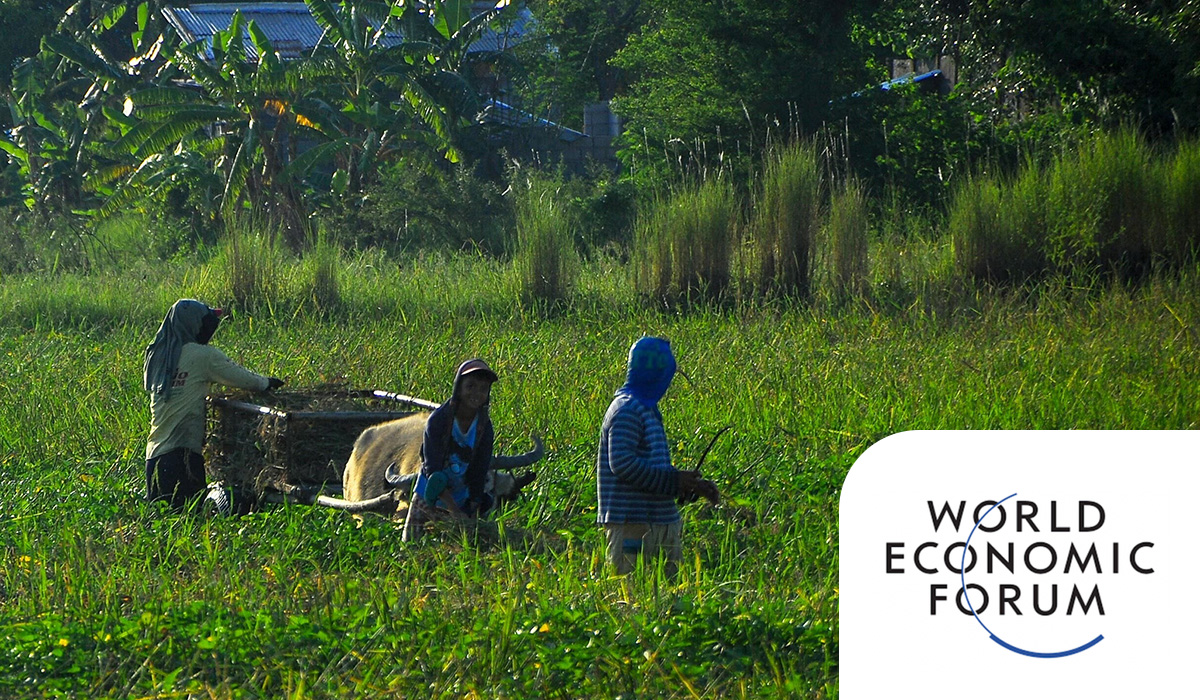
Farmers like Carlos are turning their fields into climate frontlines to protect themselves, and our global food system, against climate change. But they can’t do it alone, and they shouldn’t have to. They need support that makes it worth the time, effort, and cost of adopting new methods: financing, training, incentives, rewards, and greater access to sustainable markets.
That’s why at UPL we work with farmers like Carlos to innovate, introduce smart technology, and utilise practices like intercropping to protect forest canopies and natural habitats while enriching the soil, irrigation and water management techniques to reduce water waste, and biological technology to cut nitrogen use. All without reducing the quality of the coffee that you drink each day.
But coffee farming is only one section of the agricultural industry that needs better support.
The global food system accounts for over 40% of jobs and around 10% of global GDP. I’m not exaggerating when I say the world feels it when our farmers suffer. But when we protect our crops against things like droughts and floods, we help farmers make a profit that they can invest back into better tech and modern infrastructure, create jobs, and support their communities.
At UPL, we’ve spent decades working with farmers to provide the education, tools, and support they need to push the agricultural industry into the future. And like Carlos, we’re leading by example to create food security for our world’s future generations.
It begins with our farmers. It continues with us all working together.
Written by Jai Shroff.
The Chairman & Group CEO of UPL, Jai is a well-recognized global leader in sustainable agricultural development and across agribusiness.